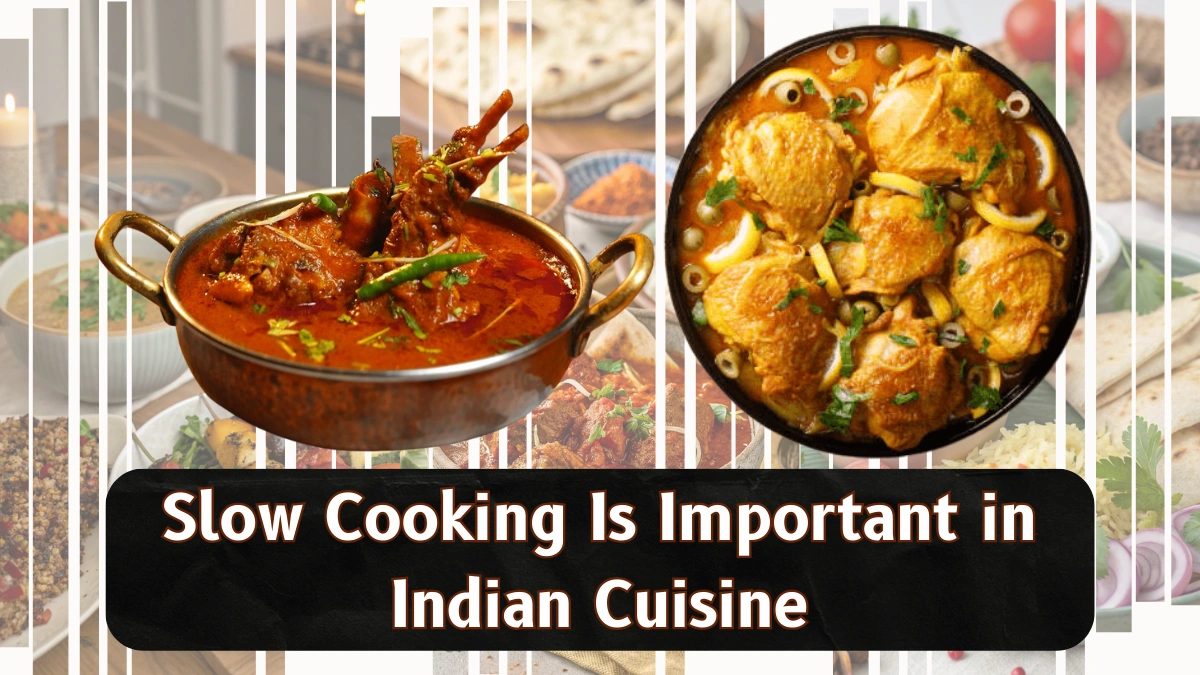

Slow cooking is one of the most defining features of traditional Indian cuisine. Many classic Indian dishes rely on time rather than speed to develop their signature taste. This method allows ingredients to interact gradually, creating food that is deeply flavoured, aromatic, and comforting.
For Australian food lovers, understanding the role of slow cooking explains why Indian food tastes rich without feeling rushed or artificial.
The Philosophy Behind Slow Cooking in Indian Food
Indian cooking is rooted in patience. Slow cooking reflects the belief that good food takes time. Instead of relying on shortcuts, traditional recipes allow flavours to develop naturally.
This approach results in meals that feel balanced, wholesome, and satisfying.
How Slow Cooking Enhances Flavour
Slow cooking allows spices, herbs, and ingredients to release their flavours gradually. As food simmers gently, spices blend rather than compete.
This process creates layered flavours where no single spice dominates the dish.
Tender Texture Through Slow Heat
Many Indian dishes use slow cooking to achieve the right texture. Lentils soften evenly, meats become tender, and vegetables absorb flavour without breaking apart.
This method ensures food is soft, rich, and evenly cooked, which is a hallmark of Indian cuisine.
Importance of Slow Cooking for Spice Integration
Indian dishes often use multiple spices added at different stages. Slow cooking gives these spices time to infuse deeply into the dish, creating harmony between taste and aroma.
Without slow cooking, spices would remain sharp or overpowering.
Popular Indian Dishes That Rely on Slow Cooking
Several iconic Indian dishes depend on slow cooking for their authentic taste.
| Dish | Why Slow Cooking Is Essential |
|---|---|
| Dal | Develops depth and creaminess |
| Curries | Blends spices evenly |
| Biryani | Enhances aroma and texture |
| Lamb Dishes | Tenderises meat |
| Vegetable Stews | Absorbs spices fully |
These dishes highlight the importance of time in Indian cooking.
Slow Cooking vs Fast Cooking Methods
The difference between slow cooking and quick cooking methods is significant.
| Aspect | Slow Cooking | Fast Cooking |
|---|---|---|
| Flavour Depth | Rich and layered | Surface-level |
| Texture | Tender and balanced | Uneven |
| Aroma | Well-developed | Limited |
| Authenticity | Traditional | Modern shortcut |
This comparison shows why slow cooking remains essential.
Cultural Importance of Slow Cooking
Slow cooking is closely tied to Indian family traditions and hospitality. Meals are often prepared over several hours for gatherings, festivals, and celebrations.
This practice emphasises care, generosity, and respect for food.
Why Slow Cooking Appeals to Australian Diners
Australian diners appreciate food that feels homemade and comforting. Slow-cooked Indian dishes deliver exactly that, offering warmth and depth that fast food cannot match.
As Australians explore authentic global cuisines, slow-cooked Indian food fits naturally into modern dining preferences.
Modern Kitchens Still Respect Slow Cooking
Even with modern equipment, Indian kitchens continue to follow slow-cooking principles. Technology may assist consistency, but time remains the key ingredient.
Restaurants that respect this tradition deliver better taste and authenticity.
Comparison With Other Cooking Styles
| Feature | Indian Slow Cooking | Other Cooking Styles |
|---|---|---|
| Cooking Time | Long and gradual | Short |
| Spice Usage | Layered | Minimal |
| Flavour Development | Deep | Direct |
| Cultural Role | Central | Supportive |
This comparison highlights why slow cooking defines Indian cuisine.
Conclusion
Understanding why slow cooking is important in Indian cuisine reveals the heart of Indian food traditions. Slow cooking allows flavours to mature, textures to soften, and aromas to develop naturally.
As Indian cuisine continues to gain popularity across Australia, slow cooking remains one of the key reasons why Indian food feels authentic, comforting, and deeply satisfying.