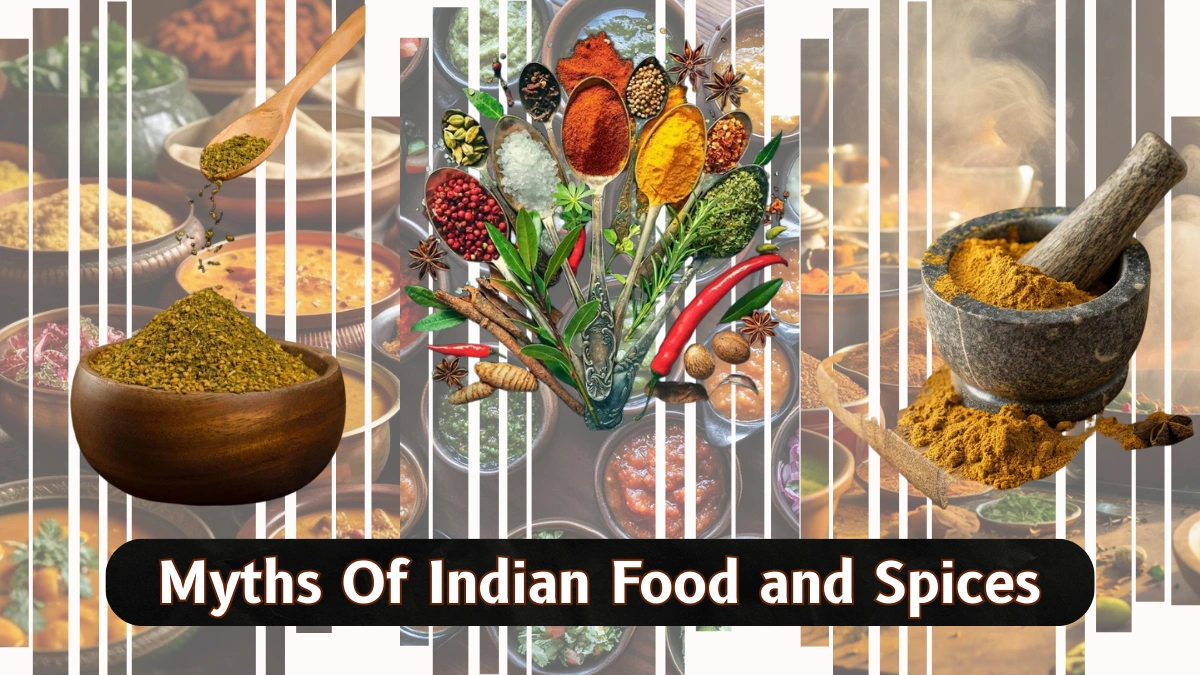

Indian food is one of the most loved cuisines in the world, yet it is also one of the most misunderstood. Many people, including first-time diners in Australia, form opinions based on assumptions rather than experience.
Understanding the common myths about Indian food and spices helps diners appreciate the cuisine more accurately and enjoy it with confidence.
Myth 1: Indian Food Is Always Very Spicy
One of the biggest myths is that all Indian food is extremely spicy. In reality, Indian cuisine offers a wide range of mild, medium, and spicy dishes.
Many traditional Indian meals focus on flavour and aroma rather than heat. Spice levels are usually adjustable, especially in Australian Indian restaurants.
Myth 2: Spices Are Used Only to Add Heat
Another common misconception is that spices exist only to make food hot. In Indian cooking, spices are used to create depth, aroma, balance, and colour.
Spices like cumin, coriander, cardamom, and turmeric add warmth and fragrance, not sharp heat.
Myth 3: Indian Food Is Heavy and Unhealthy
Many people believe Indian food is oily and heavy. While some dishes are rich, many Indian meals are balanced and wholesome, using vegetables, lentils, yogurt, and grilling techniques.
Tandoori dishes and lentil-based meals are often lighter than many Western comfort foods.
Myth 4: All Indian Food Tastes the Same
Indian cuisine is incredibly diverse, with each region offering unique ingredients and cooking styles. North Indian, South Indian, and regional cuisines differ greatly in taste, texture, and preparation.
This diversity means Indian food offers variety, not repetition.
Myth 5: Indian Food Is Only for Meat Lovers
Indian cuisine is one of the most vegetarian-friendly cuisines in the world. Many traditional Indian meals are entirely plant-based and nutritionally complete.
Vegetarian Indian dishes are not substitutes but main meals enjoyed by millions.
Myth 6: Indian Spices Are Artificial or Harmful
Some people believe Indian spices are artificial or unhealthy. In reality, Indian spices are natural ingredients derived from plants, seeds, roots, and bark.
They are used in small quantities to enhance flavour and aroma, not to overpower food.
Myth vs Reality Comparison
| Myth | Reality |
|---|---|
| Indian food is always spicy | Spice levels are flexible |
| Spices mean heat | Spices add flavour and aroma |
| Indian food is unhealthy | Many dishes are balanced |
| All dishes taste the same | Cuisine is highly diverse |
| Vegetarian options are limited | Vegetarian food is central |
| Spices are artificial | Spices are natural |
This comparison highlights how misconceptions differ from reality.
Why These Myths Exist
These myths often arise from limited exposure or early experiences with poorly explained dishes. Without understanding spice balance and cooking methods, Indian food can seem intimidating.
As Indian cuisine becomes more popular across Australia, these misconceptions are gradually fading.
How Indian Restaurants Address These Myths in Australia
Indian restaurants in Australia help break myths by offering clear menu descriptions, adjustable spice levels, and guidance for first-time diners.
This approach helps customers explore Indian food comfortably and confidently.
Why Australian Diners Are Changing Their Perception
Australian diners are increasingly curious about global cuisines. As people learn more about ingredients and cooking techniques, they begin to appreciate Indian food for its complexity and balance rather than stereotypes.
This growing understanding has contributed to the rising popularity of Indian cuisine.
Conclusion
Understanding the common myths about Indian food and spices allows diners to enjoy Indian cuisine without hesitation. Indian food is diverse, flexible, and thoughtfully prepared, offering something for every taste preference.
As awareness grows across Australia, Indian cuisine continues to be appreciated for what it truly is: flavourful, balanced, and deeply rooted in tradition.