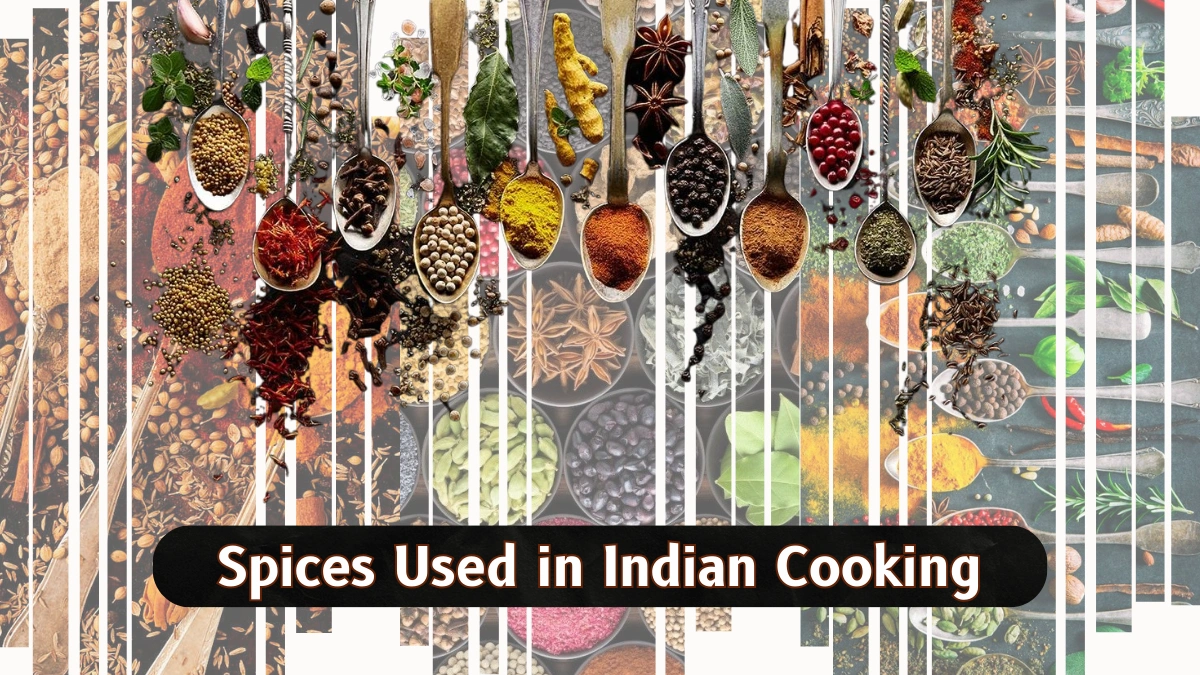

Indian cuisine is famous across the world for its depth of flavour, aroma, and colour, and spices play a central role in creating this uniqueness. The careful use of spices is what gives Indian food its identity, transforming simple ingredients into rich and memorable dishes.
Understanding common spices used in Indian cooking helps diners appreciate why Indian cuisine tastes so complex yet balanced, especially for food lovers in Australia who enjoy authentic global flavours.
Why Spices Are Important in Indian Cuisine
In Indian cooking, spices are not used only for heat. Each spice has a specific culinary role, such as enhancing aroma, adding warmth, balancing flavours, or improving texture.
Unlike many cuisines that rely on sauces or fats, Indian food depends heavily on spice combinations to build flavour naturally.
Most Common Spices Used in Indian Cooking
Indian kitchens use a variety of spices, both whole and ground. Each spice contributes something unique to the final dish.
| Spice | Culinary Role | Common Uses |
|---|---|---|
| Turmeric | Adds colour and earthiness | Curries, lentils, vegetables |
| Cumin | Provides warm, nutty flavour | Tempering, curries, rice |
| Coriander | Adds mild citrus notes | Gravies, spice blends |
| Red Chilli | Brings heat and colour | Curries, marinades |
| Garam Masala | Enhances depth and aroma | Finishing spice for curries |
| Cardamom | Adds sweetness and fragrance | Rice dishes, desserts |
| Cloves | Provides warmth and intensity | Biryani, gravies |
| Mustard Seeds | Adds sharp, nutty taste | Tempering, pickles |
This balance of spices allows Indian dishes to taste bold without being overwhelming.
Turmeric and Its Culinary Purpose
Turmeric is one of the most widely used spices in Indian cooking. It gives food a warm golden colour and a mild earthy taste.
It acts as a base spice in many dishes and helps unify other flavours rather than standing out on its own.
Cumin and Coriander as Flavour Builders
Cumin and coriander form the backbone of many Indian recipes. Cumin adds warmth and depth, while coriander balances it with light, citrus-like notes.
Together, they create a well-rounded flavour profile that makes Indian food comforting and aromatic.
Role of Heat-Based Spices
Spices like red chilli and black pepper provide heat, but in Indian cooking, heat is carefully controlled. The goal is to stimulate the palate without overpowering the dish.
This controlled use of heat is one reason Indian cuisine is enjoyed by a wide audience in Australia.
Aromatic Spices and Finishing Touches
Spices such as cardamom, cloves, and garam masala are often used in small amounts to enhance aroma. These spices are usually added at specific stages to preserve their fragrance.
They give Indian dishes a layered taste experience, where flavours develop gradually with each bite.
How Spices Are Used Differently in Indian Cooking
Indian spices are used in multiple ways, depending on the dish.
| Method | Purpose | Result |
|---|---|---|
| Dry Roasting | Enhances aroma | Deeper flavour |
| Tempering | Activates spices in oil | Strong aroma |
| Grinding | Blends flavours evenly | Smooth taste |
| Finishing | Adds freshness | Balanced flavour |
This flexibility makes Indian cooking both technical and creative.
Why Indian Spices Appeal to Australian Diners
Australian diners appreciate Indian spices because they offer flavour without excessive fat. Spices allow dishes to be rich and satisfying while still feeling wholesome.
As interest in global cuisine grows, understanding spices helps diners connect more deeply with Indian food culture.
Conclusion: The common spices used in Indian cooking are the foundation of its global popularity. Each spice plays a unique culinary role, working together to create dishes that are aromatic, balanced, and full of character.
For food lovers in Australia, learning about Indian spices adds appreciation for the craftsmanship behind every dish and explains why Indian cuisine continues to be one of the most loved worldwide.