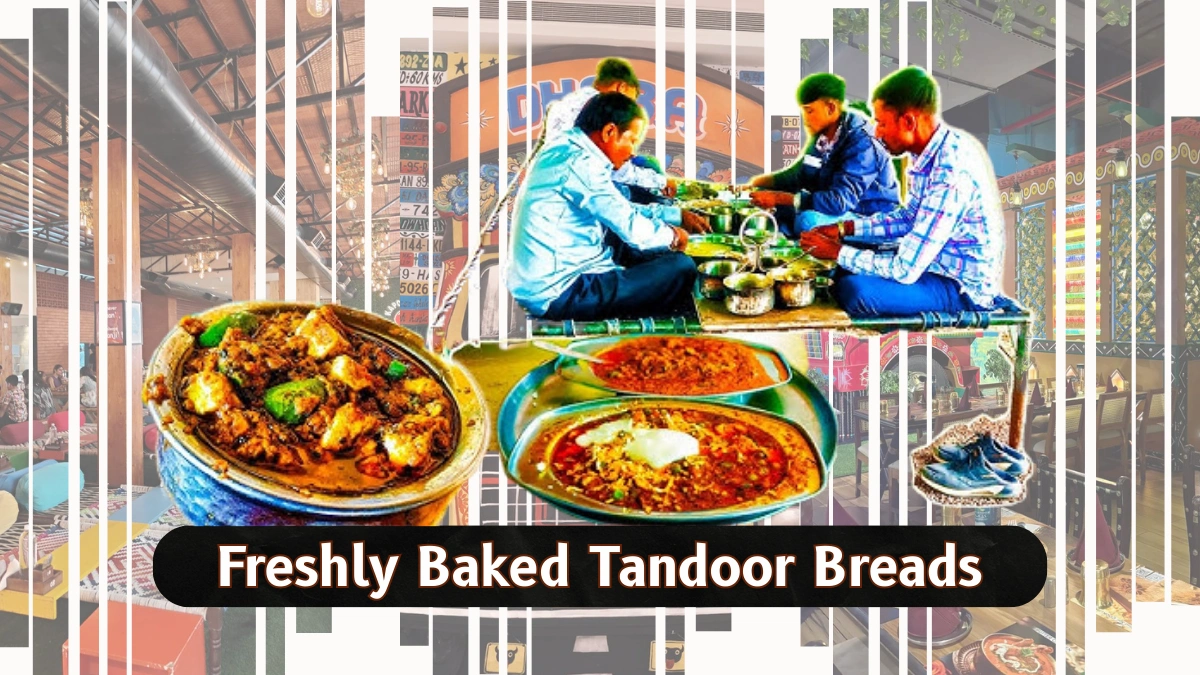

Indian dhabas are more than just places to eat. They represent tradition, community, and simplicity, forming a unique part of Indian food culture. Found along highways, villages, and outskirts of cities, dhabas have served travellers and locals for generations.
The cultural importance of Indian dhabas lies in their authentic food, warm hospitality, and connection to everyday life, making them deeply respected across India and increasingly appreciated abroad, including in Australia.
Origins of Indian Dhabas
Dhabas originated as small roadside eateries meant to serve affordable and filling meals to travellers, truck drivers, and workers. Their purpose was simple: provide freshly cooked food and a place to rest.
Over time, dhabas became cultural landmarks, known for honest flavours and welcoming environments, regardless of social or economic background.
Symbol of Community and Equality
One of the strongest cultural values of Indian dhabas is equality. Everyone eats the same food, sits together, and is treated with the same respect.
This sense of community makes dhabas special. They encourage conversation, connection, and shared experiences, turning meals into moments of togetherness.
Traditional Cooking and Authentic Taste
Dhabas are known for traditional cooking methods such as slow-simmered curries, open-flame cooking, and clay tandoors. Recipes are often passed down through generations and prepared by intuition rather than written instructions.
This approach preserves authentic flavours and reflects regional food traditions, which is why dhaba food feels rich and deeply satisfying.
Cultural Role of Dhaba Food
Dhaba food represents comfort, generosity, and tradition. Meals are usually hearty, served in large portions, and cooked with simple ingredients.
| Cultural Aspect | Role of Dhabas |
|---|---|
| Community | Brings people together |
| Tradition | Preserves regional recipes |
| Hospitality | Warm and welcoming service |
| Simplicity | Honest food without pretence |
This cultural role makes dhabas a symbol of Indian hospitality.
Indian Dhabas and Storytelling
Dhabas are often places where stories are shared. Travellers exchange experiences, locals discuss daily life, and friendships are formed over food.
This storytelling tradition adds emotional depth to dhaba culture, making it more than just a dining experience.
Influence of Dhabas on Modern Indian Restaurants
Many modern Indian restaurants draw inspiration from dhaba culture. Rustic décor, bold flavours, and traditional cooking techniques are often adopted to recreate the dhaba experience.
In Australia, dhaba-style restaurants help introduce diners to authentic Indian food culture in a relatable way.
Growing Appreciation in Australia
As Australians become more interested in cultural food experiences, dhaba culture has gained recognition. The honesty, flavour, and warmth of dhaba food resonate with diners seeking comfort and authenticity.
Dhaba-inspired cooking offers a connection to Indian roots while fitting naturally into Australia’s multicultural dining scene.
Dhaba Culture vs Modern Dining
The contrast between dhaba culture and modern dining highlights its importance.
| Feature | Indian Dhaba | Modern Restaurant |
|---|---|---|
| Atmosphere | Rustic and communal | Polished and formal |
| Cooking Style | Traditional and slow | Standardised |
| Cultural Value | Deeply rooted | Experience-focused |
This difference explains why dhabas remain culturally significant.
Conclusion: The cultural importance of Indian dhabas goes beyond food. They represent community, tradition, equality, and hospitality, making them an essential part of Indian life.
As Indian cuisine continues to gain popularity in Australia, dhaba culture helps preserve authenticity and offers diners a deeper connection to Indian heritage. Dhabas remind us that food is not just about taste, but about people, stories, and shared experiences.