
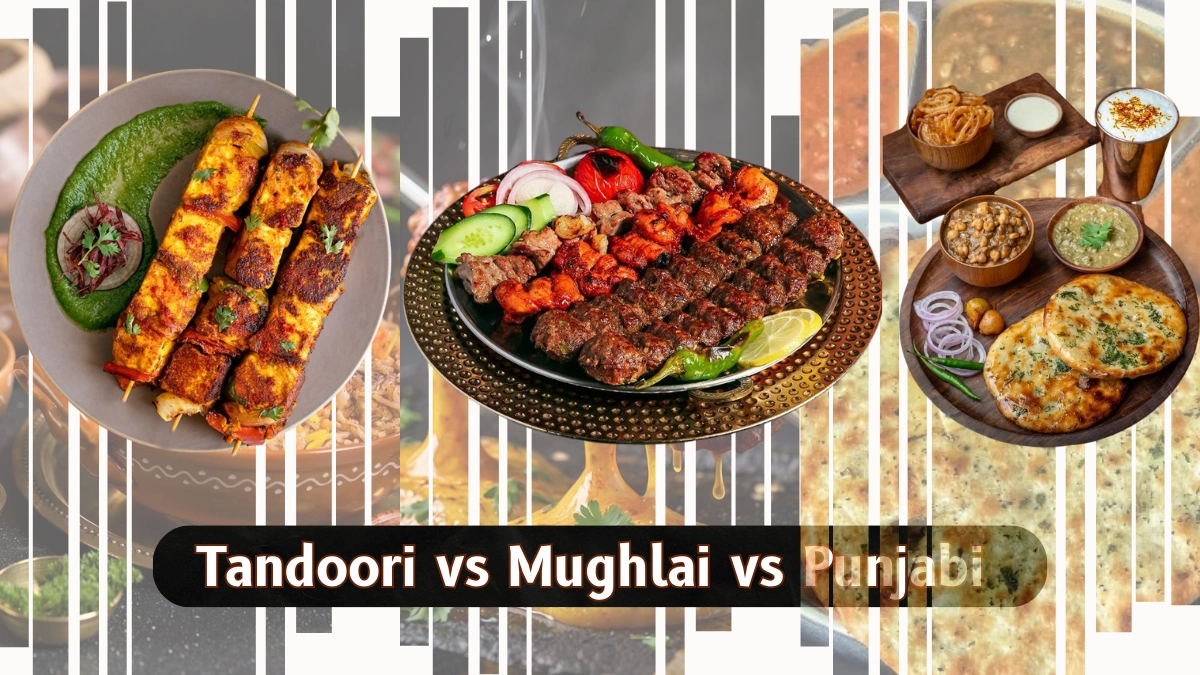
Indian cuisine is incredibly diverse, and among its most popular styles are Tandoori, Mughlai, and Punjabi cuisine. While these cuisines are often grouped together on restaurant menus, each has its own unique cooking techniques, flavour profile, and cultural background.
Understanding these differences helps diners choose dishes that best match their taste preferences and appreciate Indian food on a deeper level.
What Defines Tandoori Cuisine
Tandoori cuisine is centred around the tandoor, a traditional clay oven that cooks food using extremely high heat. This method focuses on grilling rather than slow simmering.

Tandoori dishes are usually marinated in yogurt and spices, then cooked directly over heat, creating a smoky aroma, charred exterior, and juicy texture. Tandoori food is often lighter because it uses very little oil.
In Australia, tandoori cuisine is popular among diners who prefer grilled, flavour-packed, and healthier meal options.
What Defines Mughlai Cuisine
Mughlai cuisine has its roots in royal kitchens and is known for its rich, creamy, and luxurious dishes. This style uses ingredients like cream, butter, nuts, milk, and aromatic spices.
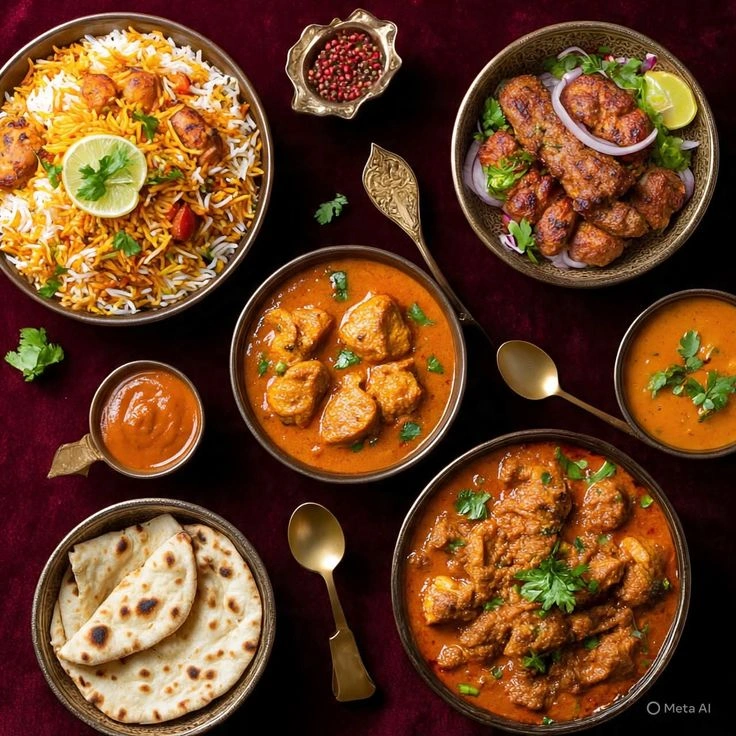
Unlike tandoori cuisine, Mughlai food focuses on slow-cooked gravies and layered flavours. The texture is smooth, and the taste is often mild yet indulgent.
Mughlai dishes are especially popular in Australia among diners who enjoy comfort food with creamy textures and gentle spice levels.
What Defines Punjabi Cuisine
Punjabi cuisine is bold, hearty, and deeply comforting. It reflects the agricultural lifestyle of Punjab, where food is meant to be filling and nourishing.
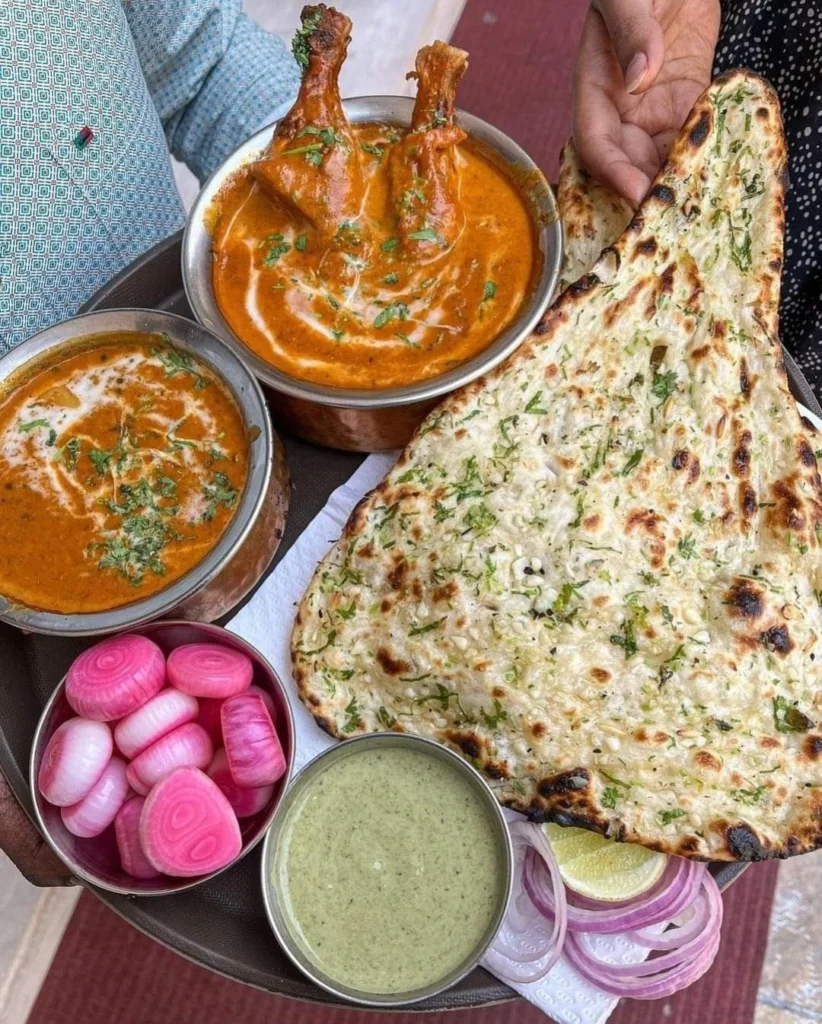
Punjabi dishes often use onions, tomatoes, butter, ghee, and strong spice blends. The flavours are robust and rustic, making Punjabi food satisfying and rich.
In Australia, Punjabi cuisine is widely loved for its homestyle taste, generous portions, and strong flavours.
Key Differences at a Glance
The main differences between these cuisines lie in cooking method, richness, and spice balance.
| Cuisine | Cooking Method | Flavour Profile | Key Characteristics |
|---|---|---|---|
| Tandoori | Clay oven grilling | Smoky and spicy | Light, charred, protein-rich |
| Mughlai | Slow-cooked gravies | Rich and creamy | Royal, indulgent, mild |
| Punjabi | Stove-cooked and simmered | Bold and hearty | Rustic, filling, spicy |
This comparison makes it easier to understand why each cuisine tastes so different despite sharing similar ingredients.
Which Cuisine Do Australians Prefer Most
In Australia, all three cuisines enjoy strong popularity, but for different reasons. Tandoori cuisine appeals to health-conscious diners, Mughlai cuisine attracts those who love creamy comfort food, and Punjabi cuisine satisfies those who enjoy bold and traditional flavours.
Many Indian restaurants combine all three styles to offer variety and cater to a wider audience.
How to Choose the Right Cuisine for Your Taste
If you enjoy grilled food with a smoky taste, tandoori dishes are ideal. If you prefer rich sauces and mild spices, Mughlai cuisine is a great choice. If you like strong flavours and hearty meals, Punjabi cuisine will suit you best.
Knowing these differences helps diners confidently explore Indian menus and enjoy a better dining experience.
Conclusion: The difference between Tandoori, Mughlai, and Punjabi cuisine lies in their history, cooking techniques, and flavour intensity. Each cuisine represents a unique aspect of Indian food culture and contributes to its global popularity.
As Indian cuisine continues to grow across Australia, understanding these styles allows food lovers to appreciate the depth, tradition, and diversity behind every dish.