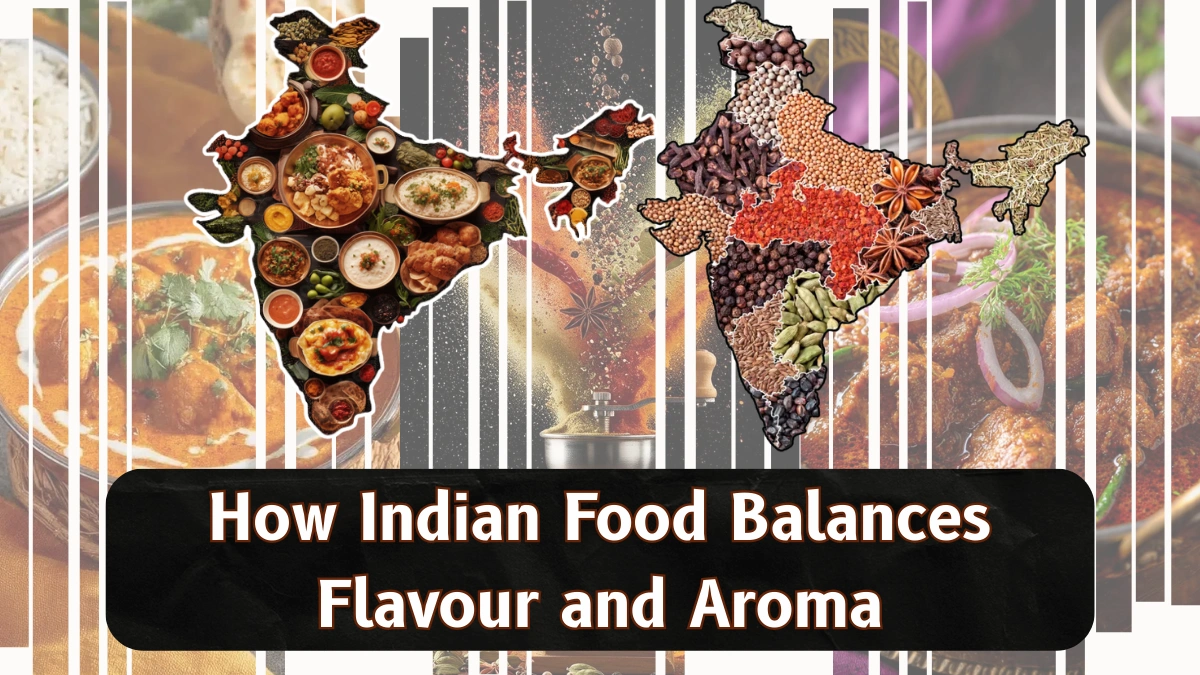

Indian cuisine is celebrated worldwide for its rich taste and inviting aroma, yet it rarely feels overwhelming. The secret lies in how Indian food carefully balances flavour and aroma through layered cooking techniques, thoughtful spice usage, and ingredient harmony.
For Australian food lovers, understanding this balance explains why Indian food feels both comforting and exciting at the same time.
Difference Between Flavour and Aroma in Indian Cooking
In Indian cuisine, flavour and aroma serve different roles. Flavour refers to what you taste on the palate, while aroma is what you smell before and during eating.
Indian cooking ensures that aroma enhances flavour rather than overpowering it. This balance creates a complete sensory experience.
Layered Use of Spices
One of the defining techniques in Indian cooking is the layering of spices. Spices are added at different stages of cooking, each serving a specific purpose.
Some spices build base flavour, while others are used sparingly at the end to release aroma. This approach prevents dishes from tasting flat or overly spiced.
Role of Tempering in Aroma Creation
Tempering, also known as adding spices to hot oil, is a key technique used to release aroma. When spices like cumin, mustard seeds, or garlic hit hot oil, they release essential oils that create a powerful fragrance.
This aroma prepares the senses for eating and enhances the overall flavour of the dish.
Balance of Sweet, Savoury, and Spicy Notes
Indian food balances multiple taste elements within a single dish. Sweetness from onions or dairy, savoury depth from spices, and gentle heat from chillies work together.
No single flavour dominates, which is why Indian food feels well-rounded rather than aggressive.
Use of Fresh Herbs and Ingredients
Fresh herbs such as coriander and mint are often added at the final stage of cooking. These ingredients provide a fresh aroma that lifts the dish and balances richer flavours.
Freshness plays an important role in preventing heavy dishes from feeling overwhelming.
Comparison of Flavour and Aroma Sources
| Element | Contribution to Flavour | Contribution to Aroma |
|---|---|---|
| Whole Spices | Depth and warmth | Strong fragrance |
| Ground Spices | Consistent taste | Mild aroma |
| Herbs | Light flavour | Fresh scent |
| Tempering | Enhances taste | Intense aroma |
This balance ensures dishes remain complex yet enjoyable.
Cooking Methods That Enhance Balance
Indian cooking methods such as slow simmering, grilling, and steaming help preserve natural flavours. High-heat cooking like tandoori grilling adds aroma without excessive oil.
These methods ensure flavours develop fully while aromas remain inviting.
Why This Balance Appeals to Australian Diners
Australian diners value food that is flavourful but not overpowering. Indian cuisine’s ability to balance aroma and taste aligns well with this preference.
The result is food that feels satisfying, comforting, and suitable for regular dining rather than occasional indulgence.
Aroma as Part of the Dining Experience
The aroma of Indian food often reaches diners before the first bite. This sensory element creates anticipation and enhances enjoyment.
Indian cuisine uses aroma not as decoration, but as an essential part of the eating experience.
Comparison With Other Cooking Styles
| Feature | Indian Cuisine | Other Cuisines |
|---|---|---|
| Spice Usage | Layered and balanced | Often single-stage |
| Aroma Control | Carefully timed | Less controlled |
| Flavour Depth | Multi-dimensional | Straightforward |
This comparison highlights why Indian food feels more complex yet approachable.
Conclusion
Understanding how Indian food balances flavour and aroma reveals the craftsmanship behind every dish. Through layered spices, careful timing, fresh ingredients, and thoughtful cooking techniques, Indian cuisine creates meals that are rich, aromatic, and perfectly balanced.
As Indian food continues to grow in popularity across Australia, this harmony of flavour and aroma remains one of the key reasons it is loved by diners of all backgrounds.