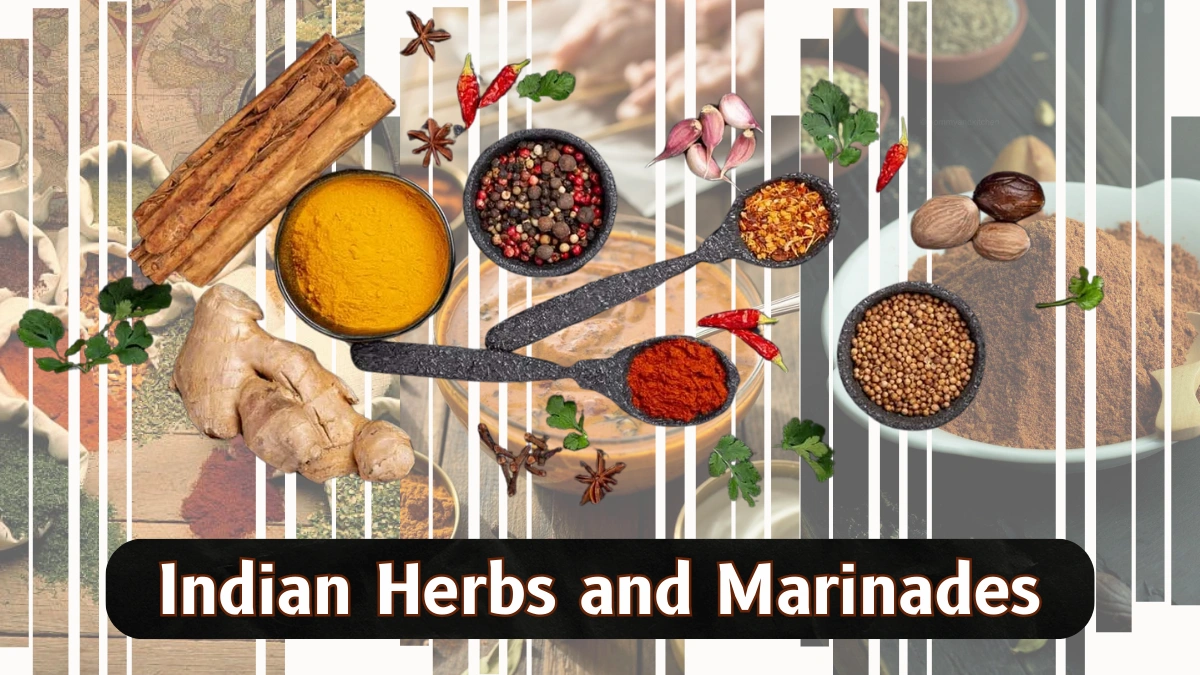

Indian cuisine is known for its depth of flavour, aroma, and balance, and two key elements behind this are herbs and marinades. These components are not used randomly but are carefully chosen to enhance taste, texture, and aroma while respecting traditional cooking methods.
For Australian food lovers, understanding how Indian food uses herbs and marinades helps explain why Indian dishes feel rich yet well-balanced rather than overpowering.
Importance of Herbs in Indian Cooking
Herbs in Indian cuisine are used to add freshness, aroma, and balance. Unlike spices, which often provide warmth and depth, herbs brighten dishes and lift flavours.
Fresh herbs are commonly added toward the end of cooking to preserve their natural fragrance and taste.
Common Herbs Used in Indian Cuisine
Indian cooking relies on a small but powerful selection of herbs.
| Herb | Culinary Role |
|---|---|
| Coriander Leaves | Fresh aroma and garnish |
| Mint | Cooling and refreshing |
| Curry Leaves | Earthy and aromatic |
| Fenugreek Leaves | Slight bitterness and depth |
| Bay Leaf | Subtle fragrance |
These herbs work together to balance richer ingredients and spices.
What Are Marinades in Indian Food
A marinade in Indian cooking is a mixture of yogurt, herbs, spices, and sometimes citrus or oil used to coat ingredients before cooking. Marinades serve two main purposes: tenderising food and infusing flavour.
Marinating allows flavours to penetrate deeply rather than remaining on the surface.
Yogurt as a Base Ingredient
Yogurt is one of the most important elements in Indian marinades. Its mild acidity helps soften meat while keeping it moist.
For Australian diners, this explains why dishes like tandoori chicken are juicy, tender, and flavourful without heavy sauces.
Role of Herbs in Marinades
Herbs are often blended into marinades to add freshness and aroma. Mint and coriander are commonly used, especially in green marinades.
These herbs prevent marinades from feeling heavy and create a balanced flavour profile.
Popular Indian Marinade Styles
Different marinades are used depending on the dish and cooking method.
| Marinade Type | Key Ingredients | Common Use |
|---|---|---|
| Yogurt-Based | Yogurt, spices, herbs | Tandoori dishes |
| Herb-Based | Mint, coriander, spices | Grilled foods |
| Dry Marinade | Spices and oil | Slow cooking |
| Citrus Marinade | Lemon juice, herbs | Seafood |
Each style enhances flavour in a different way.
How Marinades Enhance Cooking Results
Marinades help food cook evenly and prevent dryness. During grilling or slow cooking, the marinade forms a protective layer that locks in moisture.
This technique is one reason Indian food tastes rich without being greasy.
Balance Between Herbs, Marinades, and Spices
Indian cooking focuses on balance. Herbs cool and freshen, marinades soften and flavour, and spices add warmth and complexity.
This balance ensures that dishes are flavourful but not overwhelming, which appeals strongly to Australian diners.
Comparison With Non-Marinated Cooking
| Aspect | Indian Marinated Cooking | Non-Marinated Cooking |
|---|---|---|
| Flavour Depth | Deep and infused | Surface-level |
| Texture | Tender and moist | Can be dry |
| Aroma | Fresh and layered | Limited |
| Oil Usage | Moderate | Often higher |
This comparison highlights why marinades are essential in Indian cuisine.
Why This Technique Appeals to Australians
Australian diners value freshness, grilling, and balanced flavour, all of which are central to Indian herb and marinade usage. Tandoori and grilled dishes align naturally with Australian food preferences.
The result is cuisine that feels both authentic and familiar.
Cultural Importance of Herbs and Marinades
In Indian households, marinades are often prepared with care and time, reflecting patience and tradition. Recipes are adjusted by taste rather than measurement, making them deeply personal.
This cultural connection adds meaning beyond flavour.
Conclusion
Understanding how Indian food uses herbs and marinades reveals the craftsmanship behind Indian cuisine. Through fresh herbs, yogurt-based marinades, and careful balance, Indian food achieves depth, tenderness, and aroma without heaviness.
As Indian cuisine continues to grow in popularity across Australia, these techniques remain a key reason why Indian food is both comforting and unforgettable.