
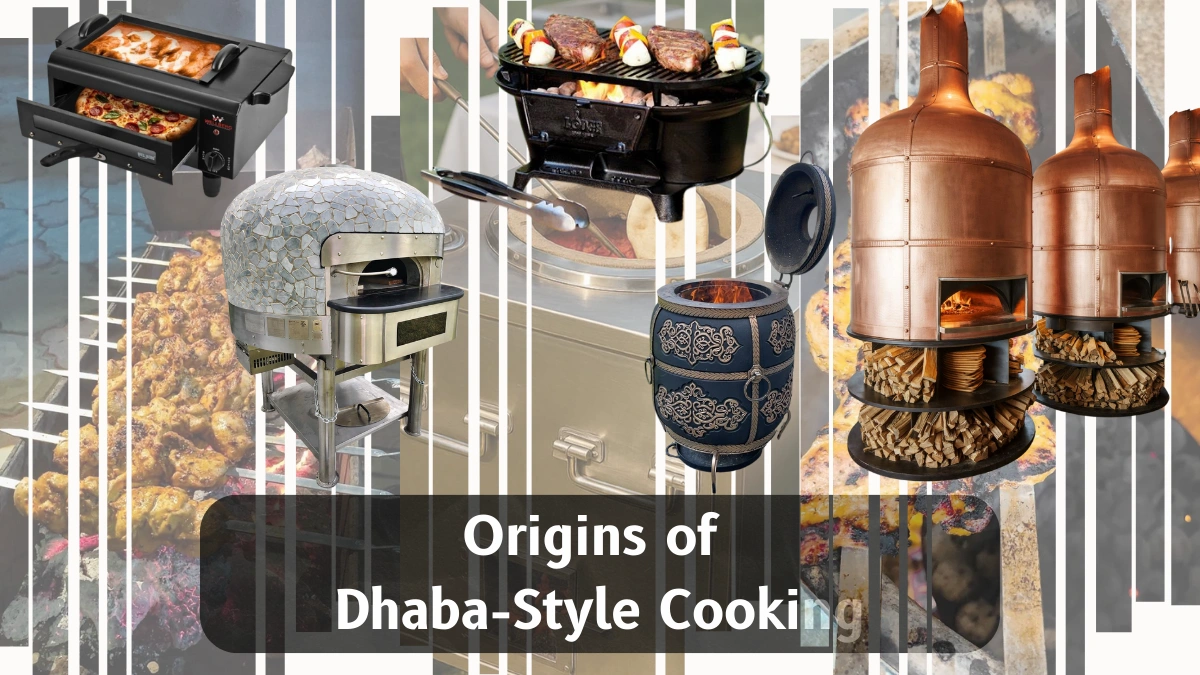
The tandoor oven is one of the most important elements of Indian cuisine. Its unique design and cooking method are the reason why tandoori food has a smoky aroma, juicy texture, and intense flavour that cannot be replicated by standard ovens.
Understanding how tandoor ovens work helps explain why tandoori dishes are so widely loved, especially in countries like Australia where diners value both authentic taste and healthier cooking methods.
What Is a Tandoor Oven
A tandoor is a cylindrical clay oven traditionally fueled by charcoal or wood. Unlike conventional ovens that use indirect heat, a tandoor produces extreme, direct heat from all sides.
The clay walls absorb and retain heat, creating temperatures that can exceed 400°C. This allows food to cook rapidly while locking in moisture.
How a Tandoor Oven Works
The working principle of a tandoor is simple yet powerful. Fuel is placed at the bottom of the oven and ignited until the clay walls become intensely hot. Once heated, food is either placed on skewers or directly on the inner walls.
The heat radiates evenly, cooking food from all directions at once. This process creates a perfect balance between charred exterior and tender interior, which is a signature of tandoori cooking.
Why High Heat Matters
High heat is essential to the flavour of tandoori food. It causes the outer surface of the food to sear instantly, forming a crust that seals in juices.
This rapid cooking method prevents dryness and preserves natural flavours. It also produces the distinct smoky taste that tandoori dishes are known for.
Role of Clay in Flavour Enhancement
The clay used in tandoor ovens plays a crucial role in enhancing flavour. Clay naturally absorbs moisture and releases heat gradually, creating a subtle earthy aroma during cooking.
This interaction between food, fire, and clay adds depth to the flavour without overpowering the natural ingredients.
Marinades and the Tandoor Effect
Tandoori food is typically marinated in yogurt and spices before cooking. When exposed to the intense heat of the tandoor, the marinade caramelises on the surface while remaining tender inside.
This process results in complex flavours, vibrant colour, and a slightly crisp texture that is difficult to achieve with other cooking methods.
Comparison With Other Cooking Methods
The difference between tandoor cooking and conventional methods becomes clearer when compared side by side.
| Cooking Method | Heat Type | Flavour Result | Texture |
|---|---|---|---|
| Tandoor Oven | Direct, high heat | Smoky and bold | Crisp outside, juicy inside |
| Conventional Oven | Indirect heat | Mild and even | Uniformly cooked |
| Pan Cooking | Direct surface heat | Spiced and rich | Soft and dense |
| Grilling | Open flame | Charred | Slightly dry |
This comparison shows why tandoor ovens are unmatched in flavour creation.
Health Benefits of Tandoor Cooking
Another reason tandoor ovens are popular is their health-friendly cooking style. Since food is grilled rather than fried, very little oil is required.
Excess fat drips away during cooking, making tandoori dishes lighter while still being flavourful. This appeals strongly to Australian diners looking for balanced and wholesome meals.
Popularity of Tandoor Cooking in Australia
Tandoor ovens have become a central feature in many Indian restaurants across Australia. The combination of authentic taste, visual appeal, and healthier preparation has helped tandoori cuisine gain widespread popularity.
Australians appreciate the open-fire cooking style, which aligns with their love for grilled food while offering a unique cultural experience.
Conclusion: How tandoor ovens work and why they enhance flavour comes down to three key elements: intense heat, clay construction, and traditional techniques. Together, they create food that is smoky, juicy, and deeply satisfying.
As Indian cuisine continues to grow in popularity across Australia, tandoor ovens remain a symbol of authenticity and craftsmanship, delivering flavours that modern cooking methods simply cannot replicate.