
Indian food has undergone a remarkable transformation in Australia. What began as a cuisine mainly enjoyed within migrant communities has now become a mainstream dining choice across the country. Today, Indian cuisine is recognised for its diversity, authenticity, and adaptability, playing a significant role in Australia’s multicultural food identity.
The evolution of Indian food in Australian dining culture reflects changing tastes, increased cultural openness, and a growing appreciation for global cuisines.
Early Introduction of Indian Food in Australia
Indian food first gained visibility in Australia through migration and cultural exchange. Early Indian restaurants primarily served traditional dishes to Indian communities, focusing on familiar flavours and home-style cooking.
At this stage, Indian cuisine was often perceived as exotic or niche, with limited understanding among the wider Australian population.
Adaptation to Local Tastes
As Indian food reached a broader audience, restaurants began adjusting spice levels, portion sizes, and presentation to suit Australian preferences. This adaptation helped make Indian cuisine more accessible without losing its core identity.
Dishes such as butter chicken and mild curries became popular entry points, allowing Australians to explore Indian food comfortably.
Rise of Indian Restaurants Across Australia
With growing acceptance, Indian restaurants expanded rapidly across cities and suburbs. These restaurants showcased a wider range of regional dishes, from tandoori items to vegetarian specialities.
This expansion helped shift Indian cuisine from a takeaway option to a sit-down dining experience, strengthening its place in Australian food culture.
Influence of Multicultural Australia
Australia’s multicultural environment has played a crucial role in the evolution of Indian food. Exposure to different cultures encouraged Australians to explore new flavours and cooking styles.
Indian food benefited from this openness, becoming a regular feature at food festivals, social gatherings, and family meals.
Modern Indian Dining Trends
Today, Indian cuisine in Australia continues to evolve. Modern restaurants focus on presentation, authenticity, and quality ingredients, blending traditional recipes with contemporary dining standards.
| Aspect | Early Indian Dining | Modern Indian Dining in Australia |
|---|---|---|
| Audience | Mostly Indian communities | Broad Australian audience |
| Spice Level | Traditional and strong | Customisable |
| Dining Style | Simple and informal | Casual to upscale |
| Menu Variety | Limited | Wide regional selection |
This shift highlights how Indian food has matured within the Australian dining scene.
Growing Interest in Authentic and Regional Flavours
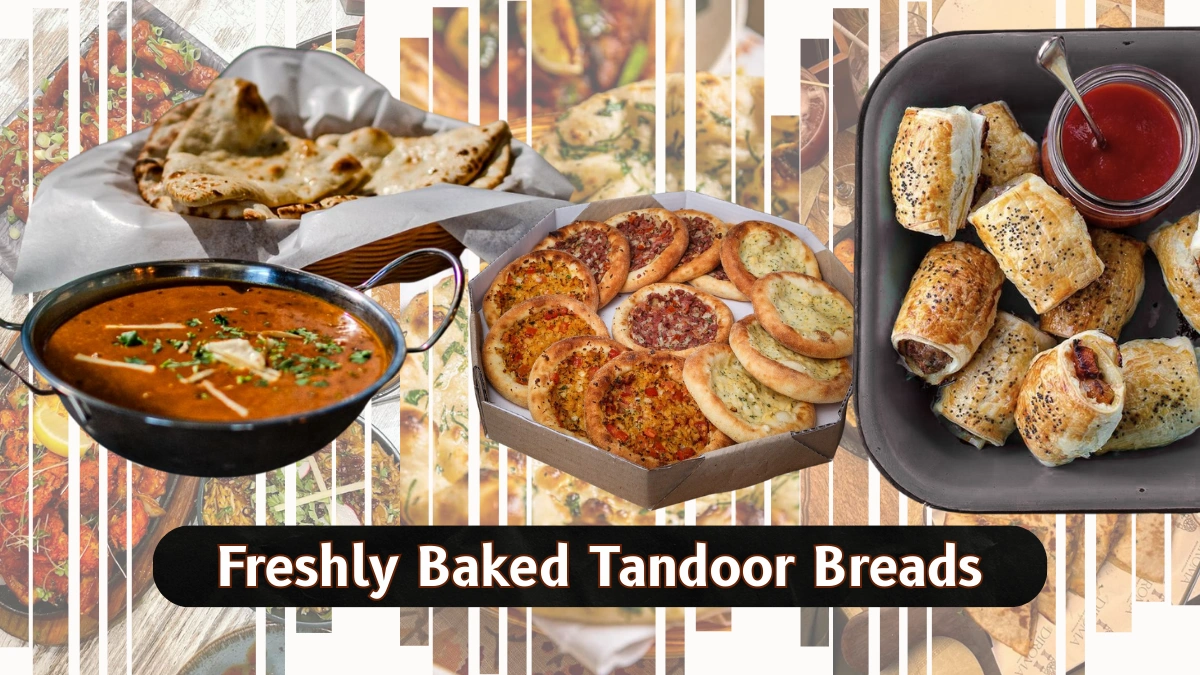
Australian diners are now exploring beyond popular dishes and showing interest in regional Indian cuisines. Traditional cooking methods, fresh breads, and dhaba-style meals are gaining attention.
This curiosity reflects a deeper appreciation for Indian culinary heritage rather than just familiar favourites.
Health-Conscious Appeal
Indian food’s use of vegetables, legumes, spices, and grilling methods aligns well with health-conscious dining trends in Australia. Dishes prepared using tandoor ovens and slow cooking are seen as flavourful yet balanced.
This perception has further contributed to Indian cuisine’s sustained popularity.
Role of Younger Generations
Younger Australians play a major role in shaping modern dining culture. Their interest in cultural stories, authentic food experiences, and social dining has supported the continued growth of Indian cuisine.
Social media exposure and word-of-mouth recommendations have also increased awareness and acceptance.
Conclusion: The journey of how Indian food has evolved in Australian dining culture reflects Australia’s openness to diversity and global flavours. From small community eateries to popular mainstream restaurants, Indian cuisine has grown into a trusted and loved part of everyday dining.
As Australians continue to explore authentic food experiences, Indian cuisine is set to remain a strong and evolving presence in the country’s culinary landscape.