
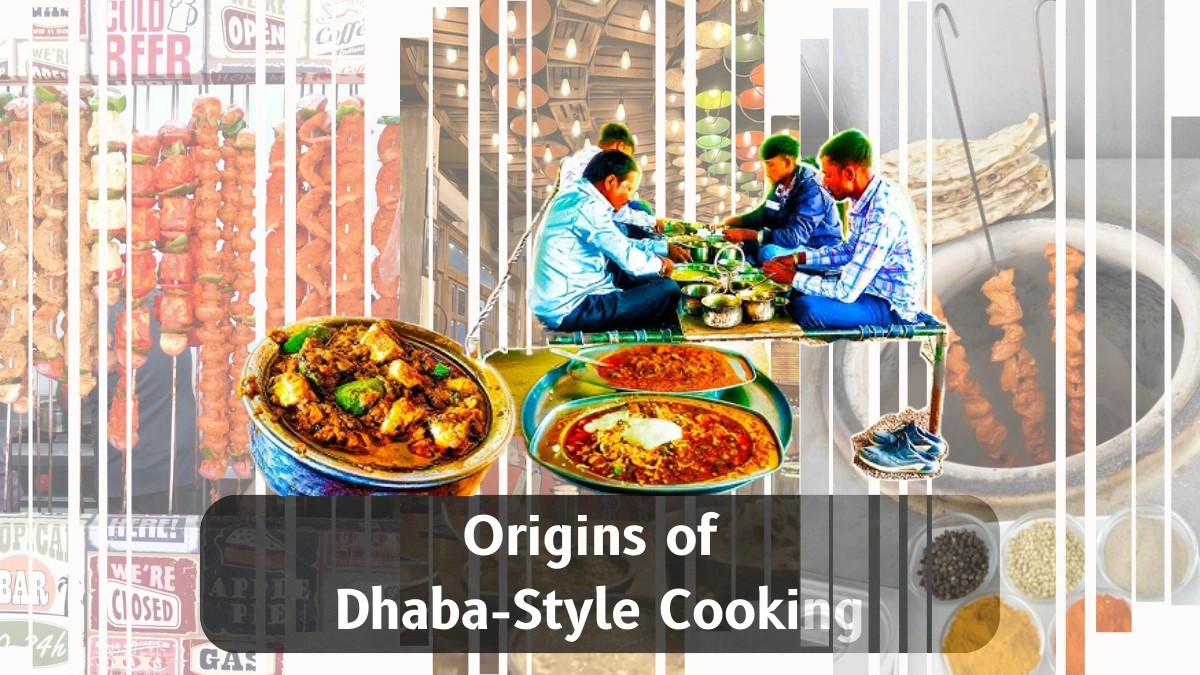
Traditional dhaba-style cooking represents the heart of Indian roadside cuisine. Known for its bold flavours, rustic preparation, and comforting taste, dhaba food is deeply rooted in simplicity and tradition. Unlike modern restaurant cooking, dhaba-style meals focus on slow cooking, high heat, and generous use of spices to create food that feels homely and satisfying.
This cooking style has gained appreciation beyond India and is now enjoyed widely in countries like Australia, where diners seek authentic and soulful food experiences.
Origins of Dhaba-Style Cooking
Dhabas originally served travellers along highways, offering freshly prepared meals that were filling and affordable. Cooking methods were designed to be practical, using basic equipment and locally available ingredients.
Over time, these methods became a symbol of traditional Indian hospitality, known for honest flavours and no-frills preparation.
Core Techniques Used in Dhaba-Style Cooking
One of the defining features of dhaba cooking is the use of iron cookware, such as large kadais and thick-bottomed pots. These utensils help distribute heat evenly and enhance flavour over long cooking periods.
Dhaba kitchens often cook on open flames, which adds a natural smokiness to the food. Dishes are usually prepared fresh and in large batches, ensuring consistency and depth of taste.
Importance of Slow Cooking
Slow cooking plays a major role in dhaba-style food. Curries and lentil dishes are simmered for extended periods, allowing spices to blend deeply into the ingredients.
This method creates rich, layered flavours that cannot be achieved through quick cooking. It is one of the reasons dhaba food feels more robust and comforting.
Use of Traditional Ingredients
Dhaba cooking relies on simple yet powerful ingredients such as onions, tomatoes, garlic, ginger, green chillies, and whole spices. Butter and ghee are often used generously to enhance taste and texture.
Instead of complex recipes, dhaba chefs focus on balance and intuition, adjusting spices by taste rather than measurement.
Difference Between Dhaba-Style and Restaurant Cooking
The uniqueness of dhaba cooking becomes clearer when compared with modern restaurant methods.
| Aspect | Dhaba-Style Cooking | Modern Restaurant Cooking |
|---|---|---|
| Cooking Equipment | Iron kadai and open flame | Gas stoves and modern cookware |
| Cooking Time | Slow and extended | Faster and controlled |
| Flavour Style | Bold and rustic | Refined and mild |
| Recipe Approach | Experience-based | Measured and standardised |
This comparison highlights why dhaba food feels more authentic and deeply flavoured.
Why Dhaba-Style Cooking Feels Authentic
Authenticity in dhaba-style cooking comes from tradition, repetition, and passion. Recipes are often passed down through generations and refined through daily practice rather than written instructions.
This hands-on approach results in food that reflects culture and personal skill, which is why dhaba-style dishes stand out.
Popularity of Dhaba-Style Food in Australia
In Australia, dhaba-style cooking has gained popularity among diners who prefer hearty meals with strong flavours. Many Indian restaurants now highlight dhaba-inspired dishes to offer customers a taste of traditional Indian roadside cuisine.
The appeal lies in the comfort and authenticity that dhaba food provides, making it a favourite choice for those seeking something beyond standard restaurant offerings.
Conclusion: Understanding traditional dhaba-style cooking methods helps explain why this cuisine holds such a special place in Indian food culture. The focus on slow cooking, open-flame techniques, and simple ingredients creates dishes that are rich, filling, and deeply satisfying.
As Indian cuisine continues to grow in popularity across Australia, dhaba-style cooking remains a powerful reminder of how tradition and flavour come together to create truly memorable food.