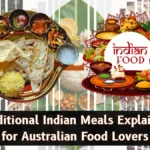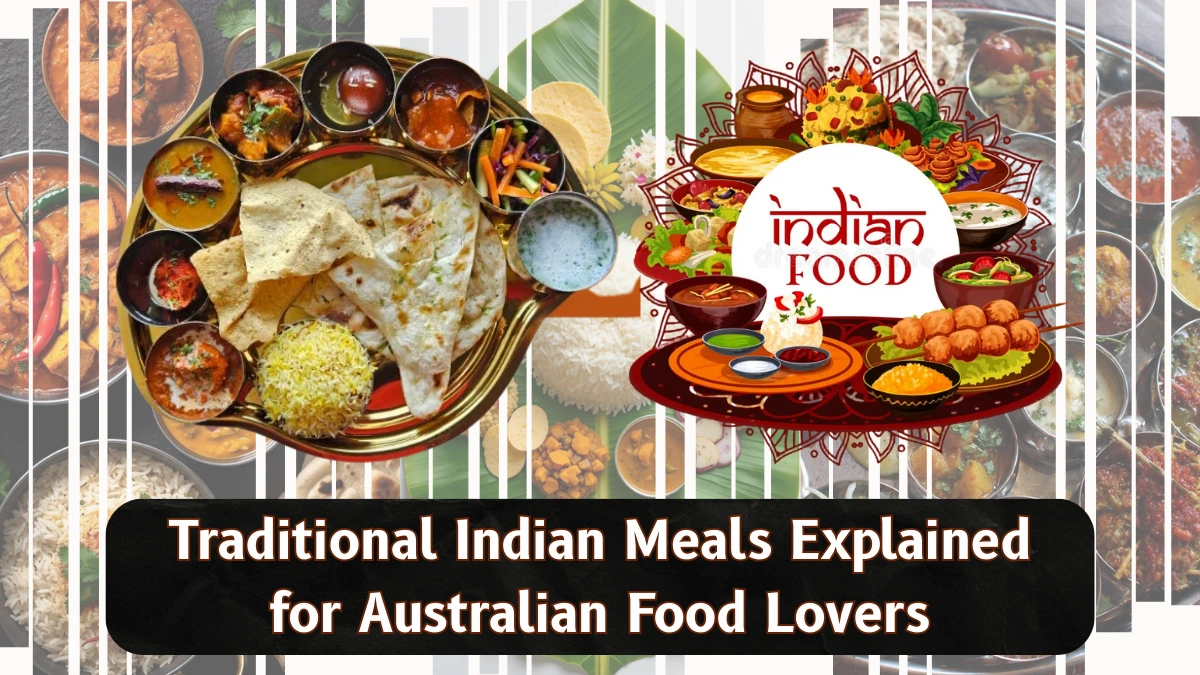

Indian food is often seen as a collection of individual dishes, but traditionally, Indian cuisine is enjoyed as a complete meal with balance, variety, and harmony. For Australian food lovers exploring Indian cuisine, understanding how traditional Indian meals are structured makes the dining experience more enjoyable and meaningful.
Traditional Indian meals focus on combining flavours, textures, and nutrition rather than relying on a single dish.
What Makes an Indian Meal Different
Unlike Western-style meals that usually centre around one main item, Indian meals are built around multiple small components served together. Each item plays a specific role in balancing taste and digestion.
Meals are designed to include spicy, mild, tangy, and savoury elements, creating a well-rounded experience.
Core Components of a Traditional Indian Meal
A traditional Indian meal typically includes grains, vegetables, proteins, and accompaniments. These components vary by region but follow a similar structure.
| Meal Component | Role in the Meal | Common Examples |
|---|---|---|
| Staple Grain | Base of the meal | Rice, roti, naan |
| Main Dish | Provides flavour and nutrition | Curry, lentils |
| Side Dishes | Adds variety | Vegetables, salads |
| Condiments | Enhances taste | Chutney, pickle |
| Cooling Element | Balances spices | Yogurt, raita |
This combination ensures a balanced and satisfying meal.
Importance of Balance in Indian Meals
Indian meals are carefully designed to balance heat, acidity, richness, and freshness. Spicy dishes are often paired with cooling sides, while rich curries are balanced with plain rice or bread.
This balance makes Indian food enjoyable without feeling heavy, which appeals strongly to Australian diners.
Vegetarian and Non-Vegetarian Traditions
Traditional Indian meals offer strong vegetarian foundations, using lentils, vegetables, and dairy as primary ingredients. Non-vegetarian meals include chicken, lamb, seafood, or goat, depending on region.
This diversity allows Indian cuisine to suit a wide range of dietary preferences commonly found in Australia.
How Indian Meals Are Served
Indian meals are usually served family-style, with dishes placed in the centre of the table for sharing. This encourages interaction and social connection.
In restaurants, meals may be served individually but still follow the traditional structure of combining multiple elements.
Popular Traditional Indian Meal Styles
Different regions of India have unique meal traditions, but some styles are widely recognised.
| Meal Style | Description |
|---|---|
| Thali | A complete meal served on a single plate |
| Rice-Based Meal | Focuses on rice and curries |
| Bread-Based Meal | Paired with gravies and vegetables |
| Festive Meal | Includes multiple special dishes |
These styles help Australians experience Indian cuisine in its traditional form.
Eating Etiquette and Cultural Significance
Traditionally, Indian meals are eaten slowly and mindfully. Sharing food is seen as a sign of hospitality and respect.
This cultural aspect adds depth to the dining experience and aligns well with Australia’s relaxed and social dining culture.
Why Australian Food Lovers Enjoy Indian Meals
Australian diners appreciate traditional Indian meals because they offer variety, flexibility, and strong flavour. The ability to mix and match dishes allows everyone at the table to enjoy food according to their preferences.
Indian meals also suit group dining, making them ideal for families and social gatherings.
Comparison With Typical Western Meals
| Feature | Traditional Indian Meal | Typical Western Meal |
|---|---|---|
| Structure | Multiple shared dishes | Single main focus |
| Flavour Balance | Wide range | Limited |
| Dining Style | Communal | Individual |
| Customisation | High | Moderate |
This difference explains why Indian meals feel unique and engaging.
Conclusion: Traditional Indian meals explained for Australian food lovers reveal a cuisine built on balance, variety, and cultural connection. Indian meals are not just about eating but about sharing, experiencing, and enjoying food together.
As Australian diners continue to explore global cuisines, understanding traditional Indian meals enhances appreciation and makes every dining experience more satisfying and memorable.