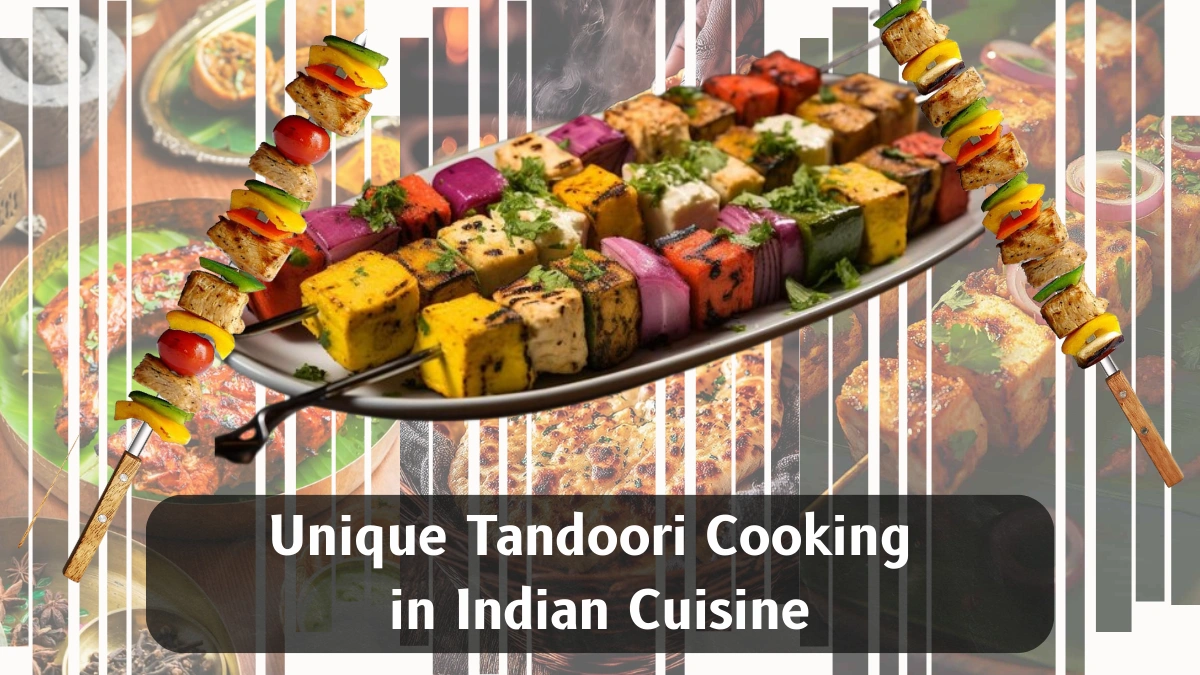

Indian cuisine is known for its variety, but tandoori cooking holds a special place because of its distinct cooking method, smoky flavour, and cultural significance. Unlike many other Indian styles that rely on slow simmering, tandoori cooking uses intense heat to create food that is both flavourful and light.
The uniqueness of tandoori cuisine lies in the combination of fire, clay ovens, and traditional marinades, resulting in dishes that are recognised and loved worldwide.
The Role of the Tandoor Oven
At the heart of tandoori cooking is the tandoor, a cylindrical clay oven heated with charcoal or wood. The tandoor reaches extremely high temperatures, allowing food to cook quickly while sealing in moisture.
This method creates a crispy outer layer and a juicy interior, a texture that is difficult to achieve with regular ovens or stovetop cooking. The clay walls of the tandoor also add a natural earthy aroma that enhances the overall flavour.
Unique Marinades and Spices
Another defining feature of tandoori cooking is the marination process. Ingredients are marinated in yogurt mixed with spices, herbs, and sometimes mustard oil. Yogurt helps tenderise the food while allowing spices to penetrate deeply.
Unlike heavy gravies, tandoori marinades focus on balanced seasoning rather than richness, which keeps the final dish flavourful but not overwhelming.
Healthier Cooking Style
Tandoori cooking is often considered a healthier option within Indian cuisine. Since food is grilled rather than fried, it requires minimal oil.
Excess fat drips away during cooking, making tandoori dishes popular among diners who want high-protein, low-oil meals without compromising on taste. This is one reason tandoori food has gained strong popularity in Australia.
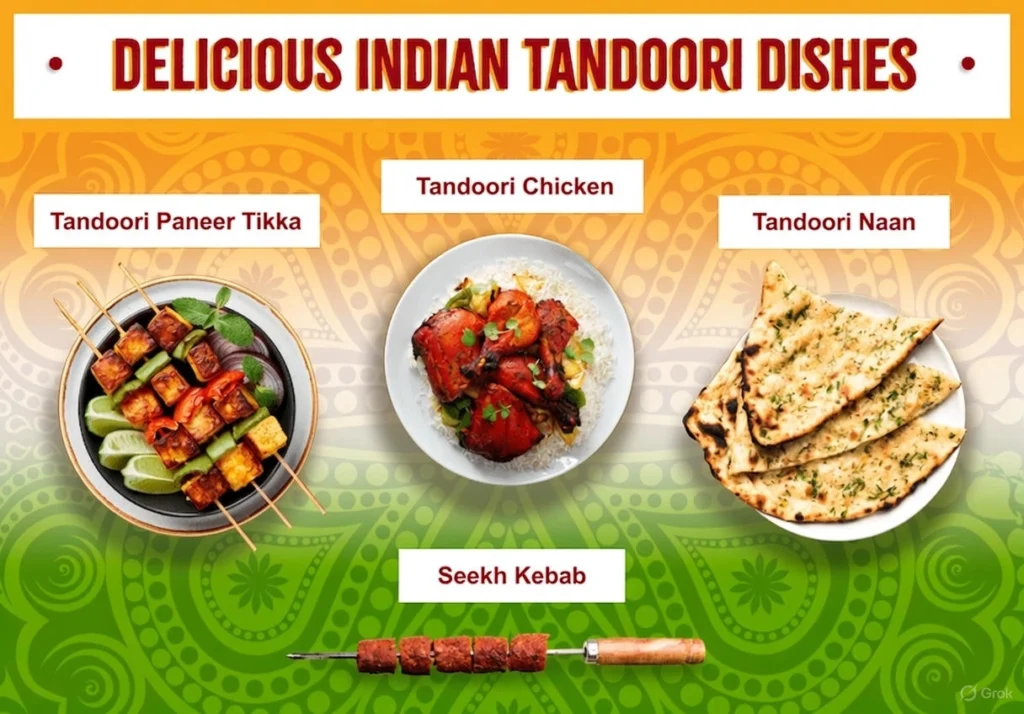
Difference Between Tandoori and Other Indian Cooking Methods
The uniqueness of tandoori cooking becomes clearer when compared with other common Indian styles.
| Cooking Style | Method Used | Flavour Profile | Texture |
|---|---|---|---|
| Tandoori | Clay oven grilling | Smoky and spicy | Crisp outside, juicy inside |
| Curry-Based | Slow simmering | Rich and layered | Soft and saucy |
| Pan-Cooked | Shallow cooking | Spiced and mild | Evenly cooked |
This comparison highlights why tandoori cooking stands apart in both taste and preparation.
Cultural Importance of Tandoori Cooking
Tandoori cooking has deep cultural roots in North India, where it originated as a communal cooking method. Over time, it evolved into a symbol of traditional Indian hospitality and craftsmanship.
Today, tandoori dishes are featured in Indian restaurants worldwide, representing authenticity and tradition. In Australia, tandoori cooking has become a bridge between Indian culinary heritage and modern dining preferences.
Why Tandoori Cooking Is Loved Worldwide
The global popularity of tandoori cooking comes from its simplicity and bold flavours. The focus on natural ingredients, fire-based cooking, and traditional techniques appeals to people who value authentic food experiences.
Its adaptability also plays a role. Tandoori cooking works well with vegetables, meats, and seafood, making it suitable for a wide range of diets.
Conclusion: What makes tandoori cooking unique in Indian cuisine is its perfect balance of tradition, technique, and taste. The use of clay ovens, intense heat, and carefully crafted marinades creates dishes that are smoky, flavourful, and healthier than many alternatives.
As Indian food continues to grow in popularity across Australia, tandoori cooking remains one of the most celebrated and recognisable styles, offering an experience that is both authentic and unforgettable.