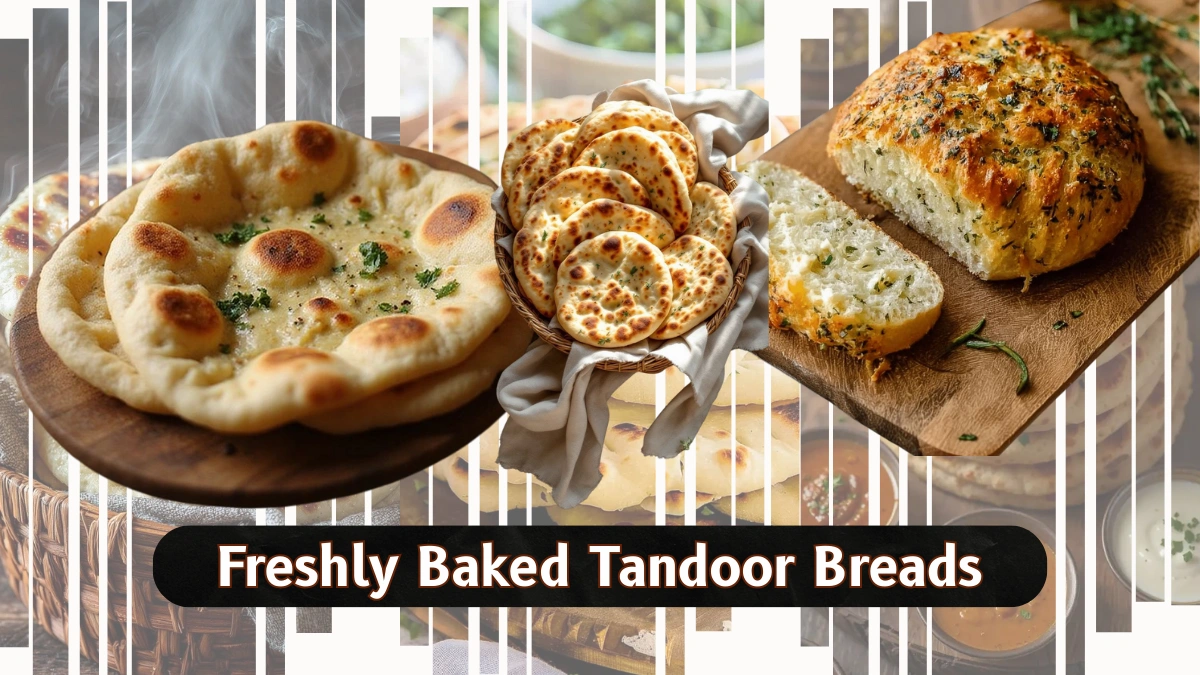

Freshly baked tandoor breads are an essential part of Indian cuisine and are loved for their soft texture, light crispness, and rich flavour. Whether it is naan, roti, or kulcha, bread cooked in a traditional tandoor offers a taste and experience that modern ovens cannot easily replicate.
Understanding why freshly baked tandoor breads taste better helps explain their popularity in Indian restaurants across Australia.
The Role of the Tandoor Oven in Bread Making
A tandoor is a high-temperature clay oven that cooks bread by direct contact with its hot inner walls. This intense heat causes the dough to cook instantly, creating a slightly crisp exterior and a soft, airy interior.
Unlike conventional ovens, the tandoor seals moisture inside the bread, preventing dryness and preserving natural flavours.
Unique Texture Created by High Heat
The extreme heat of the tandoor allows bread to puff up quickly. Air pockets form inside the dough, giving tandoor breads their signature fluffiness.
At the same time, the surface develops light charring, adding depth and a subtle smoky taste that enhances overall flavour.
Natural Smoky Aroma
One of the most noticeable differences in tandoor bread is its smoky aroma. The combination of clay walls, open flame, and high heat produces a natural char that adds complexity to the bread’s taste.
This aroma stimulates the senses and makes freshly baked tandoor bread more enjoyable when served hot.
Freshness and Timing Matter
Tandoor breads are baked to order and served immediately. This freshness ensures that the bread retains its softness, warmth, and elasticity.
In contrast, pre-baked or reheated breads often lose moisture and texture, resulting in a less satisfying eating experience.
Comparison Between Tandoor Breads and Oven-Baked Breads
The difference in taste and texture becomes clear when comparing baking methods.
| Feature | Tandoor-Baked Bread | Oven-Baked Bread |
|---|---|---|
| Heat Level | Extremely high | Moderate |
| Texture | Soft inside, lightly crisp outside | Even but less airy |
| Aroma | Smoky and rich | Mild |
| Freshness | Baked and served immediately | Often reheated |
This comparison highlights why tandoor breads feel more authentic and flavourful.
Simplicity of Ingredients
Tandoor breads use simple ingredients such as flour, water, yeast, and yogurt. The flavour comes from the baking method rather than added fats or preservatives.
This simplicity allows the natural taste of the bread to shine, making it a perfect companion to Indian dishes.
Popularity of Tandoor Breads in Australia
In Australia, tandoor breads like naan have become a favourite side dish. Australians enjoy pairing these breads with curries, grilled dishes, and vegetarian meals.
The combination of freshness, texture, and aroma makes tandoor breads appealing to both traditional Indian food lovers and first-time diners.
Cultural Importance of Tandoor Breads
In Indian culture, bread baked in a tandoor is more than just a side item. It represents freshness, hospitality, and craftsmanship.
This cultural significance adds emotional value to the dining experience, making freshly baked tandoor bread feel special.
Conclusion: The reason freshly baked tandoor breads taste better lies in the perfect combination of high heat, clay ovens, freshness, and traditional techniques. These factors create bread that is soft, aromatic, and deeply satisfying.
As Indian cuisine continues to grow in popularity across Australia, tandoor breads remain a timeless favourite, enhancing every meal they accompany.